HOLIDAY IN THE SUN

MALAGA CITY and its environs

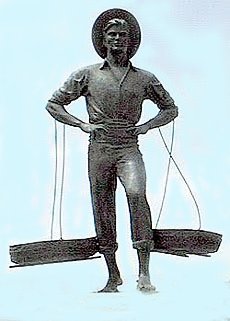
Malaga is a city with a rich history and offers several attractions worth exploring, The city is also the birthplace of the famous artist Pablo Picasso, and you can visit the Picasso Museum housed in a renovated sixteenth century mansion in the heart of the city’s oldest quarter called ‘Palacio de Buenavista’, Antonio Banderas is another son of Malaga
Malaga old town also known as the Centro Histórico houses countless valuable monuments, ruins in terms of architecture, painting, sculpture, it dates back to Phonetician times, has a central pedestrian area made up of wide marbled promenades and narrow alleyways. Pretty squares are lined with traditional Spanish cafes and bars
For spectacular views of Malaga take a walk along the ramparts of Gibralfaro Castle which dominates the whole city, and is situated 132 m above sea level, was built in the 14th century to house troops and protect the Alcazaba, making it the most impregnable fortress of all al-Andalus. The hilltop site provides it with a strategic position, dominating the whole city and the bay. The vaulted roof conserves a very beautiful example of lacería (regular interlacing patterns) work in cut brick forming 8-pointed stars, and in the interior another 12-pointed design is glazed in black, white and blue.
On the upper part of its walls is the wall-walk, or patrol path, protected over much of its length by battlements, topped by pyramid-shaped capstones, some of which have been lost. The base of the walls, the foundation and plinth, is made of masonry, of medium-sized stones and slate rubble held together with lime and sand. Above this the wall is rammed earth, and everything is plastered with lime mortar that both waterproofs it and gives it a uniform finish. The arches, vaults, doorposts and interior areas of the doors are mostly brick, responding to the numerous repairs carried out at different times.
After the occupation of Gibralfaro by the Castilian troops, its mosque was consecrated as a church dedicated to Saint Louis, Bishop of Toulouse. From that moment on, the fortress was used as a barracks and prison, until in 1925 it was ceded to the City Council and came to be used by the public.
Malaga’s coastline is famous for its stunning beaches, where you can relax, swim, or participate in water sports. Some popular beaches include La Malagueta which is packed with beautiful restaurants, bars and chiringuitos, where you can enjoy a lot of delicious seafood dishes , Playa de la Misericordia, and the fishing beaches of Pedregalejo which runs into El Palo and is famed for its inexpensive restaurants and bars specialising in seafood.
The local cuisine in Malaga is delicious and varied. Be sure to try some of the traditional dishes, such as “pescaíto frito” (fried fish), “espetos” (sardines cooked on a skewer over open flames), and “gazpacho” (a refreshing cold soup made with tomatoes, cucumbers, peppers, and other vegetables).
Malaga hosts various festivals throughout the year. One of the most famous is the Feria de Malaga, a week-long celebration featuring flamenco dancing, music, and traditional Andalusian culture. Semana Santa (Holy Week) is another significant event with processions and religious ceremonies taking place throughout the city.
Getting around Malaga is relatively easy. The city has a modern public transportation system, including buses and a metro line. You can also explore the city on foot, especially in the historic center.
Malaga offers a mix of modern shopping centre’s and traditional markets. Calle Larios is a popular shopping street in the city centre, and you can find local crafts and souvenirs at the oldest central market in the city, Mercado Atarazanas is a very beautiful building with its elegant iron and glass domes, Mudéjar arches and magnificent, resplendent stained glass windows which was built on the ruins of a former Moors shipyard. There are a few market bars inside the market and here, visitors will be outnumbered by local people going about their daily business.
USE THESE QUICKLINKS TO NAVIGATE THIS SITE